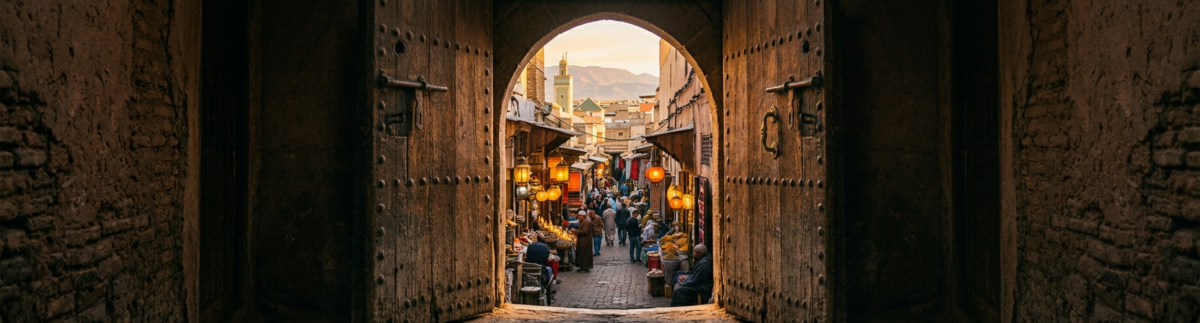
The Freezer (A Short Story)

There it is, the Cooler. The place I’d have to go. My boss asked me to do an inventory to count every single thing in that cold dark room. 

I walk into the huge fridge. The door automatically snaps shut behind me. It’s a long corridor with one bend, which leads to another narrow sliver of a room. A passageway to nowhere. On all sides are piles of boxes of frozen foods, almost squeezing me shut at any moment. No matter how many times I come I can never get used to this space. 

I begin my inventory count with boxes of canned peas. For each box I see, I make a mark on my little notepad. Then I move onto the next item. It’s pretty boring. Why did I even accept this job? I had little choice at the time. It offered a paycheck after I graduated, the only way I could find to pay my student loans and afford rent. I can still picture my father’s dejected expression when I told him about the offer. My dad was too polite to say what he thought, and just gave me a blank congratulations, but I could tell he was realizing that all his dreams for what his son would amount to would come to nothing. 

Anyways, where was I? I was now counting ice cream carts. If only I could eat one. There’s a new cart. I mark a check on the page, but wait? I check where I marked it. Was that the group for ice cream or one of the other foods? I can’t remember. My little notepad is becoming filled with little groups of marks, too many to remember which is which. 

I’m such a fuck up?! I can’t even count carts of ice cream. No wonder I can’t find a good job. I’ll be stuck working here until the day I die. 

I guess I never really liked my job anyways. It’s so boring. That is the real reason I can’t keep anything straight. I just don’t care. If I had a real job, I would do it well, or at least, I hope I wouldn’t find a way to mess that up too.

A loud crash in the other passageway snaps me back to reality. What on earth is that? Something must have fallen. Was that me? I’ve been shifting boxes around to do this count, but I hadn’t touched anything over there. Why would something have fallen over there? 

I place my clipboard down and walk over to see what happened. There’s nothing. No strewn boxes. Maybe I just heard something. Maybe someone dropped something on the other side of the wall. 

I come back, and I can’t find the notepad. I thought I had just set it down on this one box. Where could it have gone? I look around. It’s not on the other boxes. Did it fall somewhere? I start rummaging through a few boxes, moving some around and looking through them. No notepad. I can never seem to find anything anyways. 

Kneeling before a box, my butt accidently knocks the stack of boxes behind it. A couple of them crash loudly onto the ground. Just another example of me failing. I begin to look over to see the damage. 

But several more boxes fall. This time, they’re in the other room. I shoot straight up. That can’t be me. I hear a growling noise. Something is there. 

I don’t have time for this, and I run straight to the door, but it’s locked. I try to pound against it, but no one is outside. The door is pretty thick to seal in the cold. It’s not like they could hear my knocking anyways. My phone has never worked in this deep part of the basement. The creature moves as I knock, as if the noise is stirring it. 

This can’t be happening. I do the only thing that makes sense, and that is to go back to work. It’ll keep my mind off of whatever is going on on the other side. That’s all I am here to do. I count the boxes of items. I don’t have my notepad, but that’s okay. I can keep track of the numbers in my head. I hear it moving about. It knocks over boxes, and its breathing grows strained like it’s choking on its own droll. I desperately cling to counting my canned mangoes. 

WHACK! It sounds like an entire shelf of stuff has fallen over there. I completely lose track of my count. The bang seems to dig into my very bones. “I’m so dumb?!” I shout reflexively. The creature stops for a few seconds of eerie silence. Then it makes its way towards my room. It must have heard me!

I instinctively dive behind a set of boxes in a vain attempt to protect myself. I’m too much of a wimp to take it on. This is why I deserve death. I wasted my life; why wouldn’t I also waste my death, just sitting here waiting for it to come pounce on me. And what a way to go? In the very bowels of my employer, who doesn’t care enough about me? I bet they’d just clean up my body, make an insurance claim about the goods my blood got spilled on, and move on like nothing happened. Why did I waste my life here? 

I hear the monster on the other side of my tower of boxes, gurgling and foaming. That’s it. If I am going to die, I might as well do something. I knock over a box of cans on the top of my stack so that it falls directly on top of it. I hear it whimpering in pain. That slowed it down, but it’s still making its way up my tower. 

I plunge my hand into another box and the first thing I can find. It’s a small metallic can of tuna about the size of a fist. This will work. I can use it to punch the beast. Its ugly head rears the top of my fortress as it climbs down, coming straight for me. 

I draw back my fist when I realize that it nuzzles its head against my leg. What does it want? I don’t know, but it seems friendly. It looks at me, whimpering in a high pitched voice at my shaking body that I have curled up in the fetal position. I feel an immense compassion towards it: it was simply trapped in this dungeon just trying to get by, like me. When it realizes that I’m not going to give it food, it wanders over to the puddle of food that fell out of their packaging all over the floor in another part of the freezer, slurping it up desperately. 

I seize the moment and rush to the door, trying to jiggle it open again. It turns out it was unlocked the whole time. I guess in my panic before, I couldn’t get the latch at the proper angle. I rush outside and don’t look back. 

Screw this job. I’m going home. 

Rejected by Others: Growing Up with Epilepsy in Yogyakarta, Indonesia

This is a transcript of my conversation with Bella in Yogyakarta, Indonesia. She describes her experiences growing up with epilepsy. Throughout her childhood, others have judged or alienated her because of her disease. This is her story of overcoming the stigma others have placed on her. 

She spoke Indonesian, and our friend, Hanisa, translated our conversation into English. Because of the way we switched languages throughout the conversation, I decided to post a transcript for anyone interested in reading Bella’s original statements. For anyone who, like me, does not speak Indonesian, all you have to do is copy and paste her statements into a translation app. 

Original Version Published Here: https://youtu.be/m8GGnTFydqM 

Transcript of Our Conversation

[Stephen – Video’s Introduction]

Hello everyone. This is Stephen with the Curious Life and this video is the first video in a series I’m starting. My plan is to interview people in the different places I visit as I travel the world and talk about their struggles, talk about what life is like for them, and in some cases some of the biggest struggles that they face. The idea is to help people think about the different types of struggles people face in different parts of the world and maybe help people who might experience a similar type of issue in their own context and help them think through how to navigate it themselves. 

In today’s video, I’m going to talk with my friend named Bella in Yogjakarta in Indonesia. So she’s going to talk about her experiences growing up with epilepsy and maybe most importantly how people treated her growing up. A lot of people alienated her and bullied her and did a lot of mean things or you know didn’t understand her or her condition. So hopefully this video will help for anyone thinking about people who might be different and what might be going on and help kind of understand the different ways that people with different conditions might behave differently and be more sympathetic. Or also people who maybe are growing up or who have to live with something like epilepsy. So I hope you enjoy, and you’ll get more videos like this in the coming weeks.

[Our Conversation] 

[Stephen]

Hello everyone, this is Stephen. I’m specifically here with Bella, my friend, and also with Hanisa. Hanisa is here for translation support and emotional support as well. Bella, how are you doing?

[Bela]

Fine. 

[Stephen]

Good. That’s good. And [turning to Hanisa] how are you doing? 

[Hanisa]

Good as well

[Stephen]

Yeah, I wanted to talk about maybe some of your journey. So for context, could you tell people a little bit about yourself? 

[Hanisa]

Jadi perjalanan kamu gimana? Kamu minta tentang diri kamu?

[Bela]

Perjalanannya sungguh sulit, kadang ada yang mudah, sulit, terus liku-liku lah ya. seperti itu. Saya

mengalami epilepsi dari kelas 6 SD dan mengalami skizofrenia mulai dari lulus SMA tahun 2020.

[Hanisa]

Eh, jadi so she said that the journey is hard for her. Sometimes it’s easy, some is hard. She has been struggling since she was diagnosed with epilepsy as well. It started in elementary school 

[Stephen] 

Yeah wow. This makes sense. 

(Oh and one other quick thing for anyone in case you’re wondering, I do have a cold so if my voice sounds deeper or if I randomly start coughing that’s why.)

But yeah, what was it like growing up with epilepsy? 

[Hanisa]

Kamu ngasnya gimana in elementary school? Tumbuh tumbuh ya kamu kamu kamu kan tumbuh gede dari kecil udah epilepsi itu rasanya gimana kamu rasanya dari kelas 6 SD itu? Heeh. mulai ke trier ya. Heeh. tentang pembulian.

[Bela]

Terus dan SMP saya memilih individu waktu sekolahnya dan akhirnya SMA saya memilih pakai C. Oh. Saya memilih individu karena saya trauma karena dibully dari kecil. 

[Hanisa]

So she said that at first the most triggering experience for her was when she was in the sixth grade. When in the sixth grade she got bullied by her friends. When in junior high school, she used to be a lone wolf. She used to be a person who didn’t interact with anybody else. 

So at the senior high, she chose to do Packet C in Indonesia. It’s like an exam but not the majority of people who do it. It’s not the original exam from senior high school. You can do Packet A for is for elementary school Packet B is for junior high and Packet C is for senior high [in other words, Packet A is an alternative competency exam on can take to graduate from elementary school, Packet B for junior high school, and Packet C for high school]. 

She did Packet C because she didn’t want to experience having to go  around in school. Yeah, that makes sense. 

[Stephen]

I mean, I’m glad that you had that option, but it honestly seems like there’s a bit of hardship there. How did the students bully you? 

[Hanisa]

Jadi dia paham. Jadi kayak untung ada kayak opsi lain itu dia ada pakainya tadi kayak jadi bisa menghindari itu. Tapi kalau dia tanya lagi jadi kayak kamu gimana merasanya waktu ekspresi waktu pengalaman waktu kamu dibul merasanya seperti apa? 

[Bela] 

Saya merasa sakit hati karena telah dibully tanpa merasa bersalah. Saya sebenarnya tidak pernah punya kesalahan dengan teman-teman SD, tetapi saya dibully dan dikata-katakan kotoran hewan, kuman dan tidak suka dengan teman-teman yang lain. 

[Hanisa]

He said that she was so heart-broken when she was in elementary school at that time when she was in sixth grade. She felt that there’s friends who say bad things to her. Used to mock her saying that she wasn’t even a poop of the animal. She said, “You are bacteria.” And other bad words. They all said to her, but she felt like she didn’t do anything wrong at that time. But all of her friends, they mocked her. 

[Stephen]

Why did they mock you? Was it just because you had epilepsy? That seems awful.

[Hanisa]

He kamu diol-ol tuh epilepsi aja atau kayak kenapa aku bis diol kayak

kira-kira? Teman-teman tuh kayak gitu kenapa kamu tahu enggak atau kamu enggak tahu benar?

[Bela]:

enggak tahu em kamu 

[Hanisa]

So she said that her friends didn’t know that she had epilepsy at that time so it wasn’t about it. 

[Stephen]

Yeah this makes sense. It seems like the like in of itself having epilepsy is something that can be very difficult to process especially as a kid. And it seems like you kind of also had to deal with people treating you differently at the same time. 

[Hanisa]

Jadi pasti dia bilang pasti berat buat bela kan. Jadi kayak sesuatu yang kalau

diketahui nanti kan pasti orang-orang bakal kayak gitu kayak gitu. 

[Bela]

Heeh. Bagaimana caranya mengalami itu perjuangannya dan entah bagaimana rasanya yang mengalami seperti saya. Entah itu bisa pulih atau tidak. Belum tentu orang yang mengalami seperti saya akan sekuat ini. 

[Hanisa]

Iya. She said that many people experience epilepsy, but she doesn’t think that every other person can survive as much as she survived. She grew. She learned as much. She didn’t stop believing in herself. She still has the courage to stand within herself. 

[Stephen]

That’s good. That’s awesome. What do you think helped give you that courage?

[Hanisa]

Kamu kok bisa seberani itu se percaya diri itu dengan dirimu untuk apa yang membantumu kayak apa sih gitu?

[Bela]

Saya berjuang dengan diri sendiri karena saya menyemangati diri sendiri kalau orang itu tidak pernah ada yang memilih saya. Terus dan saya pernah dibully itu. Hm. Saya rasanya sakit hati ingin rasanya ingin balas dendam. Hmm. He. Dan saya akhirnya kelas 5 SD mengamuk di satu kelas dan mengguyur satu teman saya, teman dekat saya.

[Hanisa] 

So she said that after she got bullied in elementary school, she wanted to take revenge on the people who bullied her. And that actually happened when she was in fifth grade, she took some water with her, and she splashed it on the person and burned her in class. 

[Stephen]

Oh wow. This is a different story but when I was that age I also did that to a boy

who was yelling at me and I happened to have some very hot water cuz I was boiling some water. And I realized that like it’s hot, and it was bad. It didn’t burn and which is good, but like I didn’t really think about it all the way. 

Yeah. This makes sense. I mean maybe in general: What was it like learning about your epilepsy and processing that you had epilepsy and some of the other issues that you also developed like schizophrenia and stuff like that?

[Hanisa]

Eh, kamu gimana

[Bela]

Kayak memprosesnya di dalam diri kamu kalau tahu oh aku ternyata emang aku absus aku juga aku rasa kamu cara mengosesnya biar bisa kayak berdam kayak udah gitu kayak gitu. Heeh. Oke. Saya berdamai dengan diri sendiri karena telah diberi saran oleh kakak saya karena pemulihan itu penting dan harus minum obat rutin jika ingin sembuh.

[Hanisa]

So she made it herself. She said that what helps her the most is her sister. Her sister told her you can be good if you keep doing medicine and you keep on growing as a person and I will be there to support you. You said that ya?

[Bela]

I oke maamin sekarang boleh. 

[Stephen]

Ok, that makes sense. And that’s important to have that support from your sister, from your family. How did you feel when she said that? 

[Hanisa]

Perasaan yang bilang gimana pas kakak bilang kayak gitu? 

[Bela]

Rasanya tidak terima jika dikejar-kejar atau di dipaksa untuk minum obat. Sebenarnya saya tidak suka waktu itu awal kena epilepsi dan saya menyembunyikan obat itu di bawah kasur dan saya mengaku kalau saya sudah minum obat dan obatnya habis.

[Hanisa]

So she said that at first it was hard for her to accept that she had epilepsy, and when her sister said that you have to routinely have your medicine she didn’t want the medicine. So she hid it below her bed, and she didn’t drink it, but she said she drank it to her sister or family.

[Stephen]

This makes sense. Yeah, that makes total sense. I mean I’m glad the medicine can be complicated in of itself like what is the what is the medicine like I thought sometimes epilepsy medicine can be both complicated and have a lot of side effects too. 

[Hanisa]

H jadi kamu kan medicin medicine perepsiaan jadi medicine perepsinya tuh apakah apa banyak atau kayak harus kayak ben harus teratur atau harus kayak berbari gitu?

[Bela]

Awal kena epilepsi, saya meminum obat dengan tiga kali sehari, pagi, siang, malam. Setelah bertahun 2 tahun kemudian, dosis diturunkan menjadi dua kali sehari. Lalu diturunkan kembali pada tahap selanjutnya jadi satu kali sehari dan tahun ini jadi 2 hari sekali. 

[Hanisa]

Hmm. So she said when at first she got diagnosed with epilepsy, she had to drink medicine three times a day, and two years later she got the dosage reduced to two times a day. And then after that got reduced again to one time a day, and right now a day she only drinks it once every other day. So it’s getting less and less so. It’s getting easier. 

[Stephen]

And what do you feel like? So, with what you’re saying with your sister, we were talking about focusing on personal growth. What do you think the growth has looked like for you over the last couple years?

[Hanisa]

Kan kamu tadi aa kayak fokus tentang pertumbuhan diri gitu. Nah, pertumbuhan dirimu yang beberapa tahun ke belakang ini seperti apa? 

[Bela]

Saya sebenarnya perjalanan hidup ini sedang mengalami stres terus dan saya mengalami merasa kesendirian individu, tidak punya teman, merasa dijauhkan dengan teman dekat dan ingin bersosialisasi jadi tidak percaya. saya diri dan saya memikirkan memutuskan untuk mengedap di rumah sendiri menahan diri di rumah sendiri. 

[Hanisa] 

Hmm, so actually what she said right now was that she feels so lonely. She feels so stressed. She’d like to try to hold the life that she’s got going on lately. She felt like there are no friends who understand her, like, “I cannot say anything to anybody. My friend got away from me, and they want to get close to me.” And she said that she chose to go to her home and isolate herself there and don’t want to be with anybody else. 

[Stephen]

I could definitely see that. If your friends are discounting you like that, I could understand wanting to go home and be safe there. When this happens and when you go home by yourself, how does it feel?

[Hanisa]

Perasaan bilang gimana pas sudah tahu perasaan karena kamu enggak gitu kamu mau pulang. 

[Bela]

He enggak bukan e setuju juga. 

[Hanisa]

Tapi kayak kamu kenapa enggak itu kamu mau pulang aja gitu enggak mau kayak gimana perasaan kamu kayak waktu pulang sendiri gitu?

[Bela]

Heeh. Banyak saya merasa tidak dianggap dengan teman, tidak berguna kepada tetangga. Dan saya merasa sakit hati, merasa rendah diri kepada diri sendiri, kecewa dengan diri sendiri. Kenapa saya selalu direndahkan, dijauhkan, dan diejek dengan teman sebaya?

[Hanisa]

She said that her mind is occupied with thinking that all of her friends, her peers, don’t want to get near her, and she cannot interact well with her peer group. All of the friends keep putting her outside of the circle. 

[Stephen]

I could see that, and obviously I’m not like a medical expert, but I thought some of the medication for epilepsy could be very strong and that it can do a lot too. This makes sense. It’s unfortunate that this has been isolating you in this way. What helps you feel connected with others? 

[Hanisa]

Jadi apa yang kamu merasa kamu merasa terhubung dengan orang lain tuh apa yang kamu apa yang bisa merasa terhubung kayak apa yang maksud saya merasa

[Bela]

terhubung dengan orang lain mulai dari berobat seizo ini dan saya mulai percaya diri setelah minum obat penyakit kizo ini dan saya jadi percaya diri untuk bersosialisasi kembali dengan teman sebaya saya dan saya ikut bergabung di komunitas KPSI. Saya merasa bangga dengan diri sendiri dan saya juga senang bisa berkumpul dengan teman-teman yang lain seperti Mbak Hanisa dan teman yang lain. Karena saya suka dengan teman yang pengertian, mendukung satu sama lain dan bisa apa? Mendukung belajar untuk mengenali penyakit mental.

[Hanisa]

She said that felt connected now especially with people in [the mental health support group she joined] like me [Hanisa] and the other friends here because she likes it when people around her are understanding. The people around her can support each other in their own way like that, and

said she likes it. That she can learn a lot from joining this community. 

[Stephen] 

This makes sense. What have been some of the biggest things you’ve learned in this community? And maybe for context for anyone watching,  she’s referencing a community here in Yogjakarta that has people with different kinds of mental health issues whether it’s epilepsy or other things, and they come together and try to kind of talk things out like a small group community support. 

[Hanisa]

What was the question?

[Stephen]

Oh, I’m sorry. The question was: How have you been growing in this group? Oh, what have you learned?

[Hanisa] 

Apa yang kamu jadi paling paling kamu pelajar yang pelajaran apa yang kamu dapat PKWSI selama 2 minggu? 

[Bela]

Oh, masih dapat. saya bisa mengenali penyakit mental, mendapat saran dari dokter saya bahwa harus melakukan aktivitas atau kegiatan sehari-hari itu penting karena agar membantu otak untuk berpikir kritis dan bisa membantu kesehatan mental jadi sehat lagi dan push. 

[Hanisa]

She likes it that she can learn from her peers. As well, she can manage her own diseases, and she can talk to the psychiatrist there and KPS as well. She likes it that way. She can grow to be a better person here in KS. 

[Stephen]

This makes sense. I’m glad that you have this opportunity. It seems like you’ve been disconnected from so many other people because of this condition. I guess one other question I wanted to ask: Given what you know now, is there anything that you would have done differently if you could go back in terms of how you kind of processed and handled all this? 

[Hanisa]

Kalau kamu bisa masa lalu, adakah hal yang kamu pengin ubah? Dari situ eh dari situ sekarang kamu gimana? 

[Bela]

ingin mulai belajar dari awal lagi. Seperti belajar di waktu SMP, SMA itu saya rasanya ingin mengulangi lagi karena saya seperti merasa kurang ilmu saja dan saya besok tahun depan ingin kuliah di kampus impian dengan dari pihak Yakum. H dan semoga saya bisa diterima. 

[Hanisa]

So she said what she wanted to repeat. She wants to redo the time when she was in junior high school and senior high school just because she feels like the knowledge she had wasn’t enough, and she is planning to apply for college in the near future, by the support of Yakum, from that organization. She is hopeful that she can be accepted with courage.

[Stephen]

I hope I hope you get that too. That would be awesome. And I also think like you for many of us myself – I was like this – college can be a time that we can kind of redo a lot of the aspects of either high school or middle school that we would have done. It’s an opportunity to, on some level. 

[Hanisa]

Jadi, kamu bisa ngulang lagi yang kamu pengin pulang di SMA, SMA kamu ngulang pas kuliah. Jadi kamu bisa lakuin itu pas kuliah. Jadi itu jadi ada kesempatan buat kamu tidak bisa mengekerien yang kamu experience SMP SMA bisa experience kuliah. 

[Stephen] 

I have a final question, but it does have two parts. The first part is what would you recommend for anyone experiencing this having this starting at a young age like you. What would you recommend they do to help and help grow?

[Hanisa]

Saran dari buat teman-teman yang sama yang berak ituus apa biar mereka juga tetap bisa tumbuh tetap bisa berkembang gitu ya? 

[Bela]

Sarannya saran saya untuk teman-teman yang mengalami seperti saya harus semangat dalam menjalani hidup ini untuk minum obat rutin biarpun itu perjalanannya berat anggap saja obat itu adalah vitamin dan itu bisa memulihkan penyakit biarpun perjalanannya dan waktunya lama semoga yang mengalami saya bisa sembuh pulih, dan tetap semangat untuk menjalani hidup walaupun mengalami penyakit epilepsi dan skill. 

[Hanisa]

She said to all of you who experience the same as Bella. She said to keep on fighting. You can pass through that and don’t forget to drink your medicine regularly. Think of it as a vitamin so you don’t think much about it.

[Stephen]

That makes sense. I would agree with all that. It’s like I think in a case like this to take your medicine. It’s like investing in yourself. It’s like growing yourself, making sure you’re on track. So this was the second part of the final question: What would you recommend for anyone who has someone in their family encountering this or has a friend or somebody they know who is having to deal with epilepsy especially at a young age? 

[Hanisa]

Kalau saran cara bu orangnya saran buat keluarganya itu apa? 

[Bela]

Kalau punya seorang yang punya seperti yang insyaallah masih muda gitu kalau tidak saran saya sangat sulit dijelaskan karena ibu saya, kakak saya, adik saya tidak percaya kalau saya mempunyai penyakit mental itu mood-nya sedang naik turun karena saya dianggap seperti anak pemalas walaupun saya bisa melakukan lakukan aktivitas apapun saya kadang naik turun mood-nya dan orang tua saya tidak percaya dengan saya kalau saya itu sedang mood eh tidak mood biarpun saya bermalas-malasan, tapi saya masih tetap bisa melakukan aktivitas sehari-hari.

[Hanisa]

She said that her mother, her sister, her brother didn’t understand her and said that she was being labeled as lazy. But she didn’t think that she was lazy, just not having the mood to do the things their parents or siblings say at that time. 

[Stephen]

Yeah this makes total sense. I bet I think for some people sometimes people can label something as lazy and not realize that it can just be a little harder for you to do it. Like in some people with this condition doing something for people that maybe is normally this level of difficulty for them is that higher level of difficulty for you. It just takes more work. So it doesn’t seem fair to consider you lazy for not being able to do it. It just might be that that thing is a little harder for you to do.

[Hanisa]

He itu ya hal-hal tadi gitu tuh kamuak enggak bisa kalau kamu ngesiap langsung kamu tuh malas kamu tuh gini ya karena itu itu sulit waktu itu untuk melakukan hal yang disuruh waktu itu karena memang belum kan belum pas itu kan sama waktu itu. 

[Bela]

Iya.

[Stephen]

Yeah. And I did say the final question, but I do have a followup question on that real quick. If somebody knows someone, you know, in a family or friend who has this condition, what can they do to try to understand it better? You know, maybe unlike your family who didn’t always seem to understand.

[Hanisa]

Kalau dari eh kan tadi bilang kalau yang belum belum semuanya paham gitu kan. 

[Bela]

Iya. 

[Hanisa]

Nah, kalau misalnya sebagai berat pilihnya seperti apa? Kalau biar orang mengerti paham itu kayak seperti apa yang baik gitu kalau orang yang juga sarannya? 

[Bela]

Heeh. Caranya saya sebenarnya ingin memberitahu keluarga saya kalau saya itu bisa melakukan aktivitas apapun. Tapi keluarga saya tidak percaya kalau saya itu anaknya kadang rajin, kadang suka membantu orang lain dan keluarga saya tidak pernah percaya dan saya dianggap anak pemalas kadang-kadang karena orang tua saya pulang waktu orang tua pulang pulang kerja saya masih tidur saya karena kalau tidak mood saya kerjaannya tidur dan saya mager kalau untuk melakukan aktivitas apapun jika eh walau mood-nya masih naik turun

[Hanisa]

She said that she still has an issue with trust in her family. So her parents when they got home she saw that Bella was sleeping at the time just in the bed and didn’t do anything. And that makes her parents think that it’s a thing that Bela shouldn’t do. 

[Stephen]

Hm. This makes sense. How would you have liked your parents to have responded in that situation?

[Hanisa]

Penginnya kamu orang gimana kayak gitu?

[Bela]

Pengertian mengerti kondisi saya kalau saya itu orangnya tidak pemalas. Karena saya malas itu karena mood-nya saya naik turun. Dan saya sebenarnya pengin melakukan aktivitas karena ingin membantu. Tapi saya tuh terasa naik turun. Jadi orang tua saya tidak percaya kalau saya itu memiliki gejala yang lebih apa di bawah dari orang lain. Dan saya ingin menceritakan pada orang tua saya kalau teman-teman di komunitas ada yang lebih parah dari saya. Tapi saya tidak berani karena saya mungkin dianggap mereka hanya omong kosong atau bohong gitu ya. Jadi orang tua saya menganggap saya di keluarga saya paling malas ya. 

[Hanisa]

She said that she doesn’t think that she’s the laziest person. That they must be really hard. 

[Stephen]

Yeah, that’s really unfortunate. It probably adds insult to the difficulties you actually face on a regular basis to then have people say you’re lazy and just say that and to think about you that way.

[Hanisa]

Pasti susah pasti enggak enak Mas kalau orang yang bilang kayak gitu terus enggak gitu.

[Bela]

Sakit hati sekali rasanya. Rasanya saya ingin pengamuk tapi saya tidak berani. Saya mending diam saja menahan rasa marah, menahan amarah daripada membikin membuat keributan di rumah. Lebih baik saya diam daripada saya dimarahin, diomel-omel, dikatain yang tidak-tidak dan akhirnya menjadi masalah besar.

[Hanisa]

She said she wants to explode to her parents. She wants to say that that’s not true. She wanted to define herself but she chose to keep it by herself and didn’t say anything. But yeah that’s her from inside. 

[Stephen]

That makes sense. That does sound very hard. I guess for now let’s say, “Thank you for doing this.” How would you like to sign us off? Would you like to do the peace sign or what would you like to do to sign us off? 

[Hanisa]

Mau saya gimana buat kayak gantungnya untuknya gimana? 

Terima kasih semuanya karena telah melihat saya di sini dan mendengar saya kisah dari remaja sampai dewasa sekarang ini. Saya ingin memberi saran kepada teman-teman semua jika mempunyai kisah seperti ini, harap diperjuangkan walaupun rasanya berat, sakit hati dan harus sabar mengalami menjalankan hidup ini walaupun memang itu memang berat bagi yang mengalami. Dan terima kasih sudah saya akhiri. Sampai jumpa. 

[Stephen]

Thank you for listening and bye. Terima kasih. Thank you and peace.

What Can We Do to Be Satisfied in Life?

Photo Credit: Tanner Marquis

What leads to people feeling satisfied and fulfilled in life? This is a daunting question, but I have been thinking about it a lot recently. I have a potential answer. Based on when I talk with people around the world, some who are satisfied in life and some who are not – I have sensed that one thing seems again and again to be most significant in whether people feel satisfied and fulfilled in their life: feeling connected to others in life-giving relationships.

I don’t know whether generalizing to everyone across all cultures is useful or even possible, but this is a pattern I have been seeing on pretty much whatever continent I visit. Humans crave and find meaning in life-giving relationships. 

By being connected in “life-giving relationships,” I mean ones where the person can give life to others and in turn, receive life in those relationships. We tend to be drawn to creating, cultivating, growing, enhancing, etc. of life in the world around us, and we tend to be most fulfilled when we can participate in that process. A sad aspect of contemporary society is that it can often seem to alienate us from these communities.

How to participate will vary widely given the person’s personality and the needs of their community. Some might lead an organization that is doing something beneficial to humanity, but in my experience, this form often gets overemphasized as if it is the primary way to make a difference. Some participate in life-giving relationships by doing something as down-to-earth as sewing clothes or building bricks. It really depends on the person and the community. Humans seem particularly adept at producing new, creative ways to foster life given a new set of circumstances and needs, so the possibilities seem truly endless. 

I also mean giving “life”  in the broadest sense possible: not just human life but also animals and other forms of life. Some people are drawn towards animals. Some might be drawn towards specific types of humans in specific types of circumstances, such as someone who had to work through a specific hard time in life and gravitates towards helping those who also have a similar experience. All of this will vary widely according to the individual, circumstance, and cultural context. 

Literally every source of happiness fades, but in my experience, life-giving relationships seem to be the longest lasting. Some forms of happiness are primarily or exclusively consumptive, and in my experience, these often fade the fastest: material objects, drug highs, etc. Life-giving relationships, in contrast, are participatory for the person. We receive life when we give it, and being in a healthy system of relationships provides the most wholesome forms of satisfaction. When in those relationships, accruing specific material things that help attain that goal help, and some moments, we may just need to unwind some simple pleasures. Absolutely, but these do not form a good basis of satisfaction in one’s life as a whole. 

Some potential forms of happiness involve building or refining ourselves: learning/education, self-improvement, even the quest for power, etc. In my experience, the happiness from these tend to last longer than purely consumptive forms, but when done in themselves, they too eventually become vacuous. If you are not plugged into a reason for learning that involves making the world around you better, in my experience at least, learning can lose its shine. Refining and improvements often needs a purpose to attach itself to, and in some way, helping to improve the world around you tends to, in the long run, both the most fulfilling long-term purpose. 

Then, finally, you have some forms of happiness that are unhealthy manifestations of the desire for life-giving relationships. Fame as a form of happiness is a good example of this, which are secretly relational states. For example, when one desires fame, most often they desire a relationship where many other people know them and give them adoration and accolades. For a small percentage of people, their way to produce life ends up leading to fame, but when someone pursues fame in itself, they are often pursuing a bastardized version of a healthy system of life-giving relationships. 

In contrast to these three types of happiness, life-giving relationships tends to be ultimately the most fulfilling form of happiness, where we are plugged into a system where we both give life to others and in turn receive life ourselves. 

The Woman in the Green Dress (A Short Story)

I stood there transfixed. I didn’t know why. I hadn’t been dumbfounded like this before for a long time. What was it about her?

She stood in front of me smiling. She had long, straight black hair down to her shoulders. There her hair ended with a slight fold like a J on her shoulder, and the straps of her green dress started. It was an elegant green shawl with a matching green gown that extended all the way down to her legs, where it seemed to almost transition into the green from the forest.

“Why are you dressed so nicely to walk through the jungle like this?” I asked. And at like 6:00 am, I thought to myself.

“Oh thank you,” she chirped back. “I’m on my way home from my night out.”

“Where do you live? I see nothing but banana trees.”

“Come. I can show you.”

She grabbed my arm and started walking. I hesitated at first, but I had nothing better to do. I wasn’t really feeling my morning jog anymore anyways.

As she walked, it seemed more like she was gliding through the shrubs rather than taking steps. She moved with the ease of someone who was at home in this place.

“Where are you from?” she asked.

I explained how I am an American on vacation to Chiang Mai, needing a break from the constant churn of work.

“Humanity just constantly spins in an endless cycle,” she replied.

“Where are you from, and what do you do?” I asked, but she just grabbed my arm.

“I’ll show you,” she beckoned. I got confused as she took me deeper into the forest, where it seemed even less likely someone would live.

Suddenly, she stopped, in front of a massive banana tree.

“This is my home,” she explained. I began to reply, “Where? In the tree?” There was nothing here, just the forest. But as my words came out, she waved her index finger in front of my mouth, whispering “Shh.” I got really sleepy all of the sudden and collapsed into her arms.

Next thing I remember, I woke up on a bed in a bedroom with yellow walls.

“Where am I?” I screamed.

She walked over and sat on the bed next to my feet. “This is my home.”

“What?! Where did you take me?”

“This is my home, inside the banana tree.”

I screamed confused, but she whispered to me to go back to sleep saying she would explain when I was ready.


That was how I first came here. When I woke up next, I learned that she lived many many years ago but now inhabited this tree.

She said she once was a living person, but after her death, she realized how much humans stress themselves with the constant churn: to produce more, build more wealth, gain more status. Like a wave constantly hitting against the shore in an endless cycle. Now, she lives in the banana tree in peace and tranquility. She can go out and visit the humans when she wants to watch our flurry of activity, but she has mostly just enjoyed the peace of being in the forest.

“You sound like you need a break,” she explained. “So, you can stay with me as long as you’d like. I have everything your mortal body could possibly need here: food, water, a bed to sleep. But you can leave anytime you like.”

Sometimes I do go out for a few days to see the human world again. But mostly, I find peace in the tranquil state of existence under the banana tree with her by my side.

When I do go into the city, I find signs with a picture of my face labelled as a missing person. By this point, the humans must presume I’m dead. But they can only view “living” as producing within their system of constant churn, so it makes sense they would view my existence as a type of death. But I have really never felt more alive in my life.

A Warning from Death (A Short Story)

Hello,

I wanted to write a letter to clear things up. I am quite possibly the most misunderstood person you will meet. Most people fear me, but I’m not scary. I am the one who helps you pursue what is most important in life. I am the End, yes, but the end is what makes the journey a journey. Without it, you would no real reason to focus on what is most important, nor acceptance of what you have. By establishing finiteness, I establish value.

I know very well what it is like to be feared. This is the standard way humans misunderstand me. I have dealt with it for millennia. What I didn’t anticipate was your corporations. They drain bits and pieces of my essence for their profit, all in the effort to give others cheap profit. Momentary happiness or release to hook people into an addiction in which I slowly drain them into me. The endless machine of more and more is ever consuming. It will only expand to engulf your world and everything in it.

What is truly shocking to me is how these humans who drain the life of others for their own profit don’t really gain much of anything in the process. These vampires are too wasting their life. They just spend their life trying to make more instead of enjoying what they have. Addicted to money and the gain for more more more each quarter, they remake their consumers into their own vampiric image. They also leave their employees husks of their former selves, only able to consume with the little energy and money they have. Take me as a purist, but this bends the very foundation of what I am.

So take this my warning. Embrace death so that you can embrace life, but if you embrace this, you are embracing nothing but a shadowy existence that is neither.

Yours truly,
Death

A Letter from a Retiring Medium (A Piece of Complete Fiction)

Photo Credit: Debby Hudson

I have been a median for many, many years, and as I sink into the relaxation of retirement, I want to explain medium-to-medium the secret annoyances of the job that we mediums don’t normally talk about.

Clients usually almost always want to talk to the recently deceased. These young dead with their constant problems and unresolved issues from their mortal lives are by far the most annoying: desire for revenge, love, unfinished business, or whatever. All of this makes them needy and moody. Of course, living people who remain caught in the thralls of life tend to gravitate towards them. Moody attracts moody.

The older the dead the more interesting they get. After one has lived longer than one’s lifetime in the world of the dead, they start to get hit by the fact that their life here is a less significant portion of existence than their afterlife. It takes time, but even those most impacted by fame on earth will eventually seep into indifference about their mortal existence, engulfed by the eternal wave of their afterlife now in front of them. This gives them an insightful perspective about our world, which rash clients, caught up in whatever earthly need or desire they might have, never seem to appreciate.

My absolute favorite to talk to are those who have been dead for tens or even a hundred thousands years. They can be hard to find, but when you manage to summon them, their life on earth is a distant memory that they may not even recall from the piles of eternity that has already buried itself on top of it. Their voices, encapsulating all they once were, all they once sought, synthesizes into a singular, beautiful hum, a single note they beam with the melodious brightness of a distant star.

So good luck as you enter this deadly profession. Your customers will be annoying. Fulfill their desires; resurrect their lovers, their mortal enemies, their family and friends, or whoever they request. But before you get tired and burnout from the drama, make sure to take time to slip into the deeper wells of humanity and rest in the solace of the vast ocean of humans past. It’s your best break from the constant waves of the whims of those who still strive.

Now is finally my time to begin my retreat into this same vast expanse that is existence. I start with retirement from the world of production and sustaining before I, too, will eventually take the plunge into the great expense of eternity. May you take up this mantle well.

Sincerely,
Your fellow retiring medium

How Is Complicity for Current Injustices Actually Distributed: The Good Place’s View of the Modern World (Reflection #8 in “The Good Place Miniseries)

I recently rewatched “The Good Place” (spoiler warning), one of my favorite shows from the last ten years, and I noticed so much more about the show the second time around. I decided to write a miniseries analyzing different facets of the show – some complimentary, some critical – as a tribute to one of the most thoughtful and interesting sitcoms on mainstream US television. Here are the previous reflection and next reflection in the series. I hope you enjoy.

In the Good Place, making moral and ethical decisions has become noticeably harder than in the modern world. Over the past 500 years, no human has lived a life worthy in their points system to make it into the Good Place, instead all of them have been damned to the show’s version of hell. Wow, that is quite a statement about the modern world. 

The show’s reason as to why this is happening is that the modern world has grown increasingly complicated, meaning that we must shift how we assess the morality of the decisions humans have to make to navigate this world. For example, Michael describes a boy in the Paleolithic Era picking fresh flowers from the forest and giving them to his mom, an altruistic act that earns him many positive moral points. When an equivalent contemporary boy buys flowers to present to his mom, his generosity gives him some positive credit, but it is offset by the unethical treatment of the worker who farmed the flower, the oil needed to transport it to that shop, and all sorts of other factors.  In defense of the flowers now being negative, the Judge responds that the information is available about, say the plight of the workers on the flower plantations, and the boy chose to buy those flowers that had been farmed in that way and thus to implicate himself into that context. The response from the other characters is that researching everything or completely removing yourself from all instances of injustice while still doing what is needed to survive is unrealistically difficult in the contemporary world. 

This illustrates the fundamental problem the show sees within modern life: the vast interconnectedness makes people reliant on systems that conduct unethical acts in difficult to understand ways around the world. And the individual is held responsible for how their, even seemingly innocent, acts are complicit in these injustices. 

I see an implied primitivism in this view. Past eras of history were simple, much more local. Then when you make a decision, all the necessary thinking is right there in front of you. Modernity has produced interlocking webs that remove an individual from the full context in which the products around them come from, becoming overly complex ethically and morally in the process. This vaguely reminds me of Jean-Jacques Rousseau’s idea of the innocent noble savage or that mass society corrupts individuals, and also Mahatma Gandhi’s view that humans are best off living local lives in their small communities but that mass travel and communication has corrupted humanity as it forced it to scale up. In contrast to many primitivist thinkers, though, the show does not consider a return to “simple society” to be realistic, instead ultimately arguing that the retribution nature of moral criticism is what has got to give. 

As an anthropologist, I view such primitivism as an oversimplification of past periods of human history. Humanity has almost always been interconnected in multilayered connections. The show imagines the past as a kind of simplified ideal that solves some of the complexities they see in today’s world. I would say that individual decisions have always been complex, with full knowledge of the implications of one’s actions across other communities beyond one’s familiarity practically unknowable. 

Second, by arguing that absolutely no one has gotten into The Good Place, the show implies that modern injustices implicate everyone to an overwhelming degree, which flies in the face of how injustice seems unevenly distributed in the world. The show consistently states that no one has gotten into the Good Place for 500 years. So the societal shifts that prevented people from being able to get into the Good Place started 500 years ago. That corresponds rather well to the rise of European colonialism and the start of what many historians call the “modern era” in the 1500s and 1600s (and the very end of the 1400s). European colonialism changed many of the global relationships and power dynamics around the world, resulting in the societal systems that still last in various forms today (such as capitalism, which the current distribution of places in the world are “wealthy” and not, etc.). These systems seem to be exactly what creates the complex social systems that make moral decision-making now overly complicated. 

The show portrays everyone as damned with no distinction of their position within these global forces, despite the fact that people have had very different positions within these systems. For starters, 500 years ago was the start of European’s subjugating large parts of the world and forcing pretty much all other peoples to produce resources for their benefit. Sure, overtime this may have embroiled people born in Europe and maybe even their colonies in implied forms of complicity against injustice outside of their control, but it took hundreds of years for European colonialism to cast its shadow across the entire world. It did not just start 500 years ago. What about people in Oceania who due to geographic isolation had no real contact with Europeans or those implicated in European colonization until the 1700s or 1800s? For example, was everyone from Australia in the 1600s, who had no knowledge of these forces because they did not know about these other parts of the world, subjected to eternal damnation for all time? The show says, “Yes,” when it says that absolutely no human has been able to make it to the Good Place in the last 500 years, even though some of their societies may have looked more like the hunter-gathering society the boy discussed above lived in. This arbitrary caught off of 500 years makes some sense within European history, and in presenting it as such a unilateral caught off, they are eurocentrically presenting European history as the history of all peoples. 

Furthermore, it almost exclusively portrays everyone as beneficiaries of this inevitable system, despite the fact that inequalities distribute decision-making unequally. The victims of modern injustices are just as damned for all time as those who benefit from or at least live in a society that benefits from such injustices. For example, the oppressed farmer who picked the flower in the above example would also be damned for all time. Was this farmer’s decision just as complicit in systems of injustice? 

Consider an example of US slavery to illustrate how absurd that would. During the slave era around the 1830s to 1850s, large swathes of US Americans were complicit in the slave trade. Not just the slave owners who directly owned the slaves, but the (usually) white managers who oversaw the slaves work each day, those who transported the cotton in the South and beyond, made it into shirts (at that time, increasingly this happened in mills in the US North and England), the banks (usually in the North) who organized and traded off of Southern Cotton from the South, and other parts of the world that bought the cheap textiles. Sure, the system was an awful injustice with multiple layers of complicity, but how complicit was your average Black slave? He or she has no (or little) choice in producing the cotton and very limited choices in terms of what they consume as “owned property.” But in the show, that slave received eternal damnation, since their choices evidently also made the world a worse place. 

This view of the modern world in terms of becoming trapped by complex choices where it’s unrealistic to understand and respond properly to how everyday decisions and objects prioritizes the perspective of the privileged beneficiaries of these global forces. It reflects a bias for the experience of US Americans, especially US Americans who are middle class or above, the show’s primary audience. The United States has been a major beneficiary of the global world order, with many parts of the world directly or indirectly committed to producing items to feed our economy, often with unjustly poor wages and conditions. 

Thus, I think the show compellingly demonstrates one way to experience the funneling of vast resources to the United States and other places that primarily benefit from the contemporary global system. In the US, this can feel like an uncertainty over the morality of how the various goods we might buy have arrived on our shelves and the difficulties understanding the ins-and-outs of the vast supply chains necessary to provide us with these cheap goods in the first place. To be clear, they have great insights into what this experience is like, something uncommon for sitcoms to try to tackle. 

At the same time, by universalizing it as the experience of every single human over the last 500 years, it reflects a bias towards a rather limited and privileged perspective on these global forces. The idea that this is just as much a problem for slaves as discussed above, for example, or that their decisions also have made them complicit in unjust systems resulting in their damnation is insulting. The same would also apply to the other forms of injustice and oppression committed around the world. It tangles the beneficiaries and victims of injustices as just as complicit in the system itself. I appreciate that the show tries to tackle the moral complexity of basic life decisions and injustices committed around the world, but I wish it had done so in a way that did not imply that everyone had the same basic experience of these injustices. 

“The Good Place”, Annihilationism, and How Finitude Shapes Our Passions (Reflection #7 in “The Good Place Miniseries)

Chidi and Eleanor experience complete contentedness together in the Good Place.

I recently rewatched “The Good Place” (spoiler warning), one of my favorite shows from the last ten years, and I noticed so much more about the show the second time around. I decided to write a miniseries analyzing different facets of the show – some complimentary, some critical – as a tribute to one of the most thoughtful and interesting sitcoms on mainstream US television. Here are the previous reflection and the next reflection in the series. I hope you enjoy.

I find it fascinating that at the end of the series, “The Good Place” ends up advocating a form of optional annihilationism. Annihilationism is, broadly speaking, a form of the afterlife where persons (their souls, essences, or whatever you want to call what them) ceases to exist. It mostly refers to an idea within some forms of Christianity that God makes the damned cease to exist instead of eternal torment hell like most Christians argue. The Seventh-Day Adventist Church, for example, has historically advocated this view. 

The Good Place’s annihilationism is rather different: the humans in heaven/Good Place can choose to cease to exist whenever they get tired of heaven. After they have chosen to complete all they want to, they can cease to exist, where their self gets “recycled” back into the universe through what seems like a vague form of reincarnation. In the show, the eternity of heaven made it into a type of hell: no matter what people did, they continued to exist for all time. The never-ending accumulation of experiences eventually made everyone there feel lethargic like their mind was in a fog. They would indulge themselves in gratifying activities (like for a scholar, learning about whatever she wants), but no matter how long she does this for, there is still an infinite length afterwards. Eventually within this eternity, she forgot almost everything she learned and started doing the minimal amount necessary to function each day. In response to this, ceasing to exist was a potential release. Whenever they have become who they want to be and done all they want to do in Paradise, however long that takes, they can choose to cease to exist. The show implies that pretty much all humans (with Tahini being the only potential exception) will eventually choose to not exist in this way. 

This is a very interesting idea. Would this be what an eternal existence in the afterlife would feel like? To answer that question, one would have to determine who or what we would be in such an afterlife, and based on that, to what extent would our present psychology apply to this “self” there. These are not simple questions. Many views of the afterlife chronicle some kind of change to who we are, both as individuals and collectively as a species, which raises all sorts of other questions. One big one is, If we do change, how can we know that these “changed selves” are really us and not a new entity in a new world based on ourselves? I am not sure we could ultimately answer these questions without experiencing existence in this fundamentally changed way, so instead of trying to weigh into those debates, I will focus on the implications of the Good Place’s answer to our current temporal existence. 

The Good Place’s answers take cues from human psychology in this world where limited time produces important constraints that shape our desires and motivations. In many ways, our minds seem built to keep us through conflicts and tribulations. These can range from the overarching life goals that span years, decades, or even one’s entire life to mid-term quests that take maybe a few months to complete to daily needs or challenges. For this, time itself plays a major role in defining and setting constraints on these conflicts. Humans do seem very goal-oriented: we produce goals and actively strive to do specific things in the quest to resolve the conflicts we face. 

A lot of psychology literature seems to indicate that these goals give us meaning and orient our lives. When we don’t have enough to do, boredom kicks in, stimulating us to go out and determine new activities with new potential conflicts to overcome and goals to attain. Now, rest is also crucial psychologically, and people can try to do too much. Workaholics, for example, may constantly try to do more and more without taking sufficient time to rest. Among other problems, this can lead them not giving sufficient time to reflect, which best happens when you slow down and pause your inner drive. But, Our drives still keep us centered in who we are, and humans tend to be most satisfied when balancing rest and activity.

All of this seems very adaptive to our current lives. Here we need to actively pursue things in order to survive yet ultimately have a limited amount of time on earth to complete what we set out to. The Good Place’s heaven demonstrates how connected our psychology is to such an existence by showing how if you remove finiteness from our lives, suddenly these human psychological drives don’t make sense. Heaven removed people from conflict to survive; they don’t have to make sure they eat, drink, sleep, and do other activities to stay alive. This leaves only goals they actively choose to pursue. It makes perfect sense that this would not be able to last eternally. Our own passions in this world (including our curiosity and desire to learn more) were adapted to keep us going for a finite number of years. In the show, most supernatural beings seem content to exist eternally, but humans would have to become a seismically different being to become like them. 

That is my main takeaway from the Good Place’s argument in favor of the “annihilationist option.” Trying to analyze to what extent it is an accurate or necessary depiction of a good afterlife would be too difficult, since we do not know enough about the supposed afterlife in the first place. In particular, we do not know enough about what human persons in any so-called afterlife would be to tell whether such a move would benefit or otherwise be necessary for those humans. But, through its contrast with our current existence, it makes a statement about how our current psychology seems adaptive to our finite existence. What would curiosity or the desire to have fun look like without our physical needs? As much as we in Western culture like to separate these supposedly “higher pursuits” from our physical needs, I am not sure we could have them in a way similar to how we think of them now without our current constraints of time and potential death.  

What Journeying throughout South America Taught Me about Find Meaning in Everyday Life

These are some of the lessons about life I learned during my trip in South America in 2024:

1) The Importance of Balance: I think I tried to do too much during the trip, hurting my mental health. Each day I gave myself too many items on my to-do list. This made me less in the moment, detracting from my ability to meet people and be open where I was. It also made me more stressed and irritable. 

2) Always another adventure: No matter what happens, life goes on. There’s always another day, another struggle. When you travel, you don’t stay in a place long enough to really experience the benefits of community or the long-term consequences of your actions. You can keep certain positive things – like your memories, photos and most importantly, any good relationships you made along the way – but many negatives you can continue to leave behind. That person you accidentally offended because of a cross-cultural difference, you will never have to see again, for example. 

This can create a type of Groundhog Day-like nihilistic feeling, if you allow it to. You are freed from certain types of consequences and can focus on those personal experiences, memories, and relationships that you do take with you. Navigating this can be very different from regular, settled life, and it took me many months to get used to that. You must create your own meaning as you go. 

3) Finding Meaning: I think this trip made me think more about how I should find meaning and fulfillment in life. I learned how vacuous the typical “career life” can be, and how beautiful and fascinating other parts of the world are. At the same time, seeing more and more places took some of the novelty of adventure. It forced me to be more at peace with myself. I had to pause during the key moments and realize that I will be forever who I am and that I need to figure out how to find satisfaction in that. 

Contentedness does not mean I do not have passions or strive to do new things: knowing myself, I would not feel fulfilled with stasis. Contentedness, for me at least, means that I feel fulfilled as I follow my passions: that’s how I find satisfaction each day of my life. 

4) Every day of traveling won’t feel magical: Endless amazement only exists in one’s mind. Some days feel drab, tiring, or just plain annoying, and you need these days to make the wondrous ones feel magical. Happiness and satisfaction are really in your mindset. I can do an activity one day and love it, and do an activity another day and find it mediocre or even taxing, and the main difference is my attitude. Maybe the trick to finding satisfaction in life is to align one’s passions with what one is doing so that the winds feel at your sails as you do it. 

5) The importance of communication: Traveling with my girlfriend, I learned that communicating your expectations is crucial. I think I overall did a bad job at this, and we had two different expectations for how we were traveling. In addition to getting on the same page at the beginning, communicating expectations is a constant, iterative process at almost every stage of travel. We constantly navigated between what I wanted and what she wanted while traveling. This was a constant dance that we had to work on together. 

All this said, the most important lesson I learned is that traveling the world is amazing, and I would recommend it for anyone who wants an adventure. 

The Angry Firecracker (A Short Story)

Photo Credit: Till_Frers_Photography

There once was a firecracker named Pow Pow. He loved his life hanging out with the other firecracker friends in his bundle. 

One day, they were bought by a family, and he was excited to meet them and discover what kind of fun they’d have together. The family took them out on the patio of their home. The mother took one of his firecracker friends. All the other firecrackers were excited to see how they might play with her. 

The woman took a hot flame and lit it under her butt. This caused her friend to shoot away as fast as possible, screaming in pain, and die an explosive, painful death. The woman, her husband, and her kids just squealed with glee at the ordeal. 

One by one Pow Pow watched as his friends were snatched, taken, and exploded in the same way. He turned hot with anger at how they could torture and kill his friends for fun like this. 

Then, finally, he was picked. They carried him over to the edge of their patio where they had done away with all the others. He burned hot with rage. 

Suddenly, they lit a match in his hindquarters, and he burned with anger. He broke free from their grip and flew away, shouting every obscenity he could at these murderous people. He could finally let his anger out, and it boiled within him. 

Eventually that was all he could feel as he exploded with rage, becoming another fun firecracker explosion for the parents to enthrall their children.